Grapefruit.








DESCRIPTION
STAR RUBY
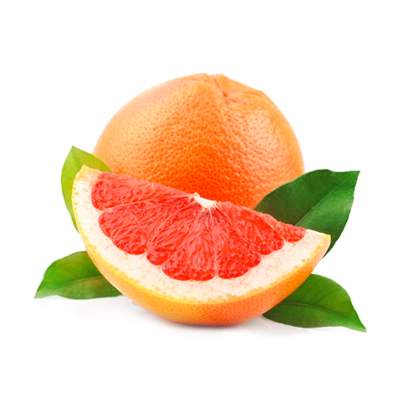
It was obtained by irradiating a seed of the Hudson variety in Texas in 1959. The pulp is more intense and the external coloration is superior to that of the most recent varieties. It has few seeds (1-2, in some fruits). The crust is very thin, the juice content is very high and the taste sweeter and less bitter than that of Marsh and other pigmented varieties. It is the standard grapefruit or model with which other varieties are usually compared. Irradiation has also caused some inconveniences that are manifested in the genetic rearrangement: the tree is slow growing, compact and of little development; It is also very sensitive to the rot of the neck and to herbicides and can present grooves in the wood produced by the virus of Sadness before the varieties Marsh and Ruby. While many varieties can be stored in good commercial conditions for several months. Star Ruby tends to develop peduncular rot (diploidy) within a few weeks. The size of the fruit is affected by the scarce vigor of the tree, tending to be small, which is a great disadvantage, since only the large fruits reach really high prices in the market
RED RUBY
Esta variedad se originario en la misma zona de Texas, probablemente al mismo tiempo y muchos expertos piensan que se trata de la misma variedad. Mutación espontánea de Thompson. Sin semillas. Madura aproximadamente al mismo tiempo que el pomelo Thompson, pero presenta mejor calidad interna y mejor pigmentación interna y externa. La intensidad de la pigmentación aumenta con la temperatura ambiente. Es la primera variedad de pomelo rosa que permitió una rápida identificación por la coloración externa sin necesidad de ser partida. Excepto por el color, es prácticamente idéntica a la variedad Marsh en cuanto a características del fruto, aunque presenta menos semillas. Es una de las variedades más cultivadas a escala mundial, aunque pronto será superada por variedades más recientes. A partir de mutaciones de esta variedad se han introducido otras dos: Rio Red y Ray Ruby.
See more

PACKING
CAJA DE Carton
30 lbs
Cubeta
28 lbs

TEMPERATURE
0F
CONSERVATION
2 YEARS
“THIS PRODUCT CAN BE PROCESSED AS PER THE CUSTOMER SPECIFICATION, PLEASE CONTACT USFOR DETAILS